First Mile vs Last Mile: Differences from the Middle Mile
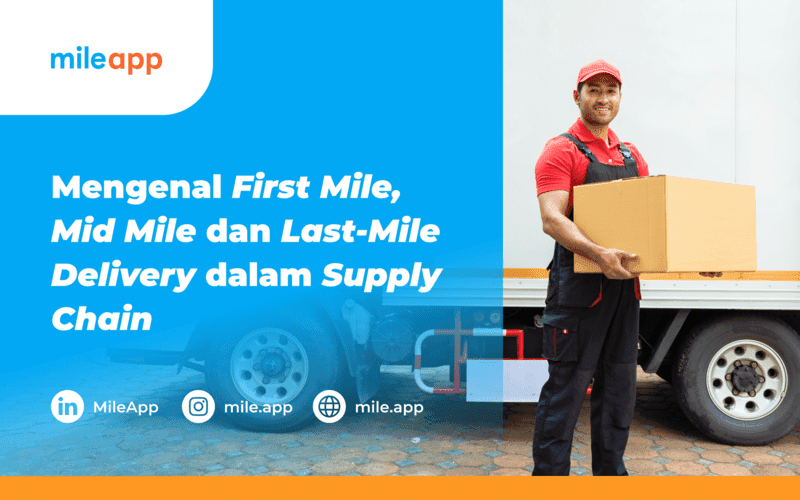
First mile is the opening stage of moving goods from the manufacturer to the consumer, followed by the middle mile and the last mile. Understanding first mile vs last mile (and everything in between) helps shippers run each stage efficiently, so the supply chain keeps moving and goods reach customers on time.
First mile, middle mile, and last mile delivery are terms used across the distribution and supply chain industry. Together they describe how goods travel from the first pickup all the way to the point of consumption. So what exactly is the difference between first mile, middle mile, and last mile? Here is a practical breakdown.

What Are First Mile, Middle Mile, and Last Mile?
Before comparing first mile, middle mile, and last mile in detail, you need to understand what each stage means and how it works. According to Flashbox, here is how the three stages are defined.
1. First mile delivery
First mile is the process of moving goods from the manufacturer to a warehouse or distribution center. The products being moved can come from any source and any supplier.
This step matters because the goods come straight from the producer. Once products are made, they are shipped to a warehouse or distribution center. That journey is the first mile, and it can be short or long depending on where the products are ultimately headed. From there, the warehouse or distribution center coordinates the shipment to the next stage.
2. Middle mile delivery
Middle mile delivery (also called mid-mile) is the second leg, where goods move from a warehouse or distribution center to a fulfillment facility. Put simply, this is when products move from storage to a facility that holds them for a short time, packs them to order, and dispatches them to consumers. Planning these line-haul trips is a core job of a transportation management system (TMS).
This stage involves two key steps: storage and fulfillment. A storage facility can be a local site that holds a wide range of products. After storage, the fulfillment center sorts and packs products for their final destination. From there, goods are picked up for direct delivery to consumers, which is the last mile.
3. Last mile delivery
Last mile delivery is the final stage of the supply chain, where goods move from a transportation hub or retail store to the final delivery address, with options such as same-day, next-day, express, or standard delivery. Simply put, it is the last step in the delivery process.
The faster the delivery, the easier it is to keep customers satisfied. The trade-off is cost, because the last mile is the most expensive part of the delivery process.
To keep costs under control, businesses can use technology to automate the process. A platform like MileApp saves time and money with real-time tracking, digital proof of delivery (POD), and better coordination with delivery partners.
Read also: What Is a Delivery Management System and How Does It Support Last Mile Delivery?
First Mile vs Last Mile vs Middle Mile: Key Differences
Now that you know what each stage means, let’s look more closely at how first mile, middle mile, and last mile differ.
1. Location
In the first mile, the route runs from the factory or supplier to the distribution warehouse or first storage point. It involves collecting goods and transporting them from the source to a distribution center.
The middle mile, by contrast, focuses on moving goods from the distribution warehouse to a regional distribution center or intermediate storage site. Activities at this stage are about consolidating goods and spreading them across a wider area. At the end of the chain, the last mile runs from the final distribution center or storage point to the customer or point of consumption. It covers the journey from the last distribution point into the customer’s hands.
2. Delivery process
In the first mile, the main process involves collecting, consolidating, and preparing goods for their first trip in the supply chain. In the middle mile, the focus shifts to transportation and inventory management at a larger scale to meet regional or distribution center demand. Finally, the last mile involves delivering goods from the final distribution center or storage point to the end customer’s address.
3. Distance
The first mile usually involves a relatively short trip from the source to the first distribution point. The middle mile covers the trip between regional distribution centers or storage sites and the final distribution or storage location. At the final stage, the last mile runs from the final distribution center or storage point to the customer’s home or business address.
4. Challenges
The challenge in the first mile is collecting goods efficiently from many sources and preparing them for the next leg. In the middle mile, delivery involves coordinating transport and distributing larger volumes to many regional destinations, which is where a solid fleet management system pays off. In the last mile, the challenges are navigating dense urban areas such as Manila, Jakarta, or Kuala Lumpur, managing delivery time windows, and delivering a positive customer experience.
When to Use First Mile, Middle Mile, and Last Mile
The next question is when each stage applies. In short, the first mile applies when a company needs to collect and process goods from a source or factory to its first distribution center. The middle mile applies when a company needs to move large volumes to regional distribution centers or intermediate storage points before they reach end customers. The last mile applies when the company is ready to deliver goods directly to customers or the final point of consumption, which is where fast, efficient delivery makes the biggest difference.
Read also: Best Route Optimization Software for Delivery Teams
Those are the definitions and differences between first mile, middle mile, and last mile. Understanding them helps you see each stage of delivery clearly, so you can optimize it and improve the efficiency of your supply chain as a whole. Each stage has its own role and its own challenges.
That is why connecting these delivery stages with logistics technology such as MileApp can give you an edge. With route optimization, real-time tracking, and last mile delivery management, MileApp helps you tackle the specific challenges of each stage and streamline the movement of goods from the first mile to the last mile. Book a free demo with MileApp and help your deliveries #GoExtraMile!
Sources:
- Eurosender.com
- Flashbox.co
- linkedin.com
Recent Posts