Route Optimization vs Google Maps: Which One Do You Need?
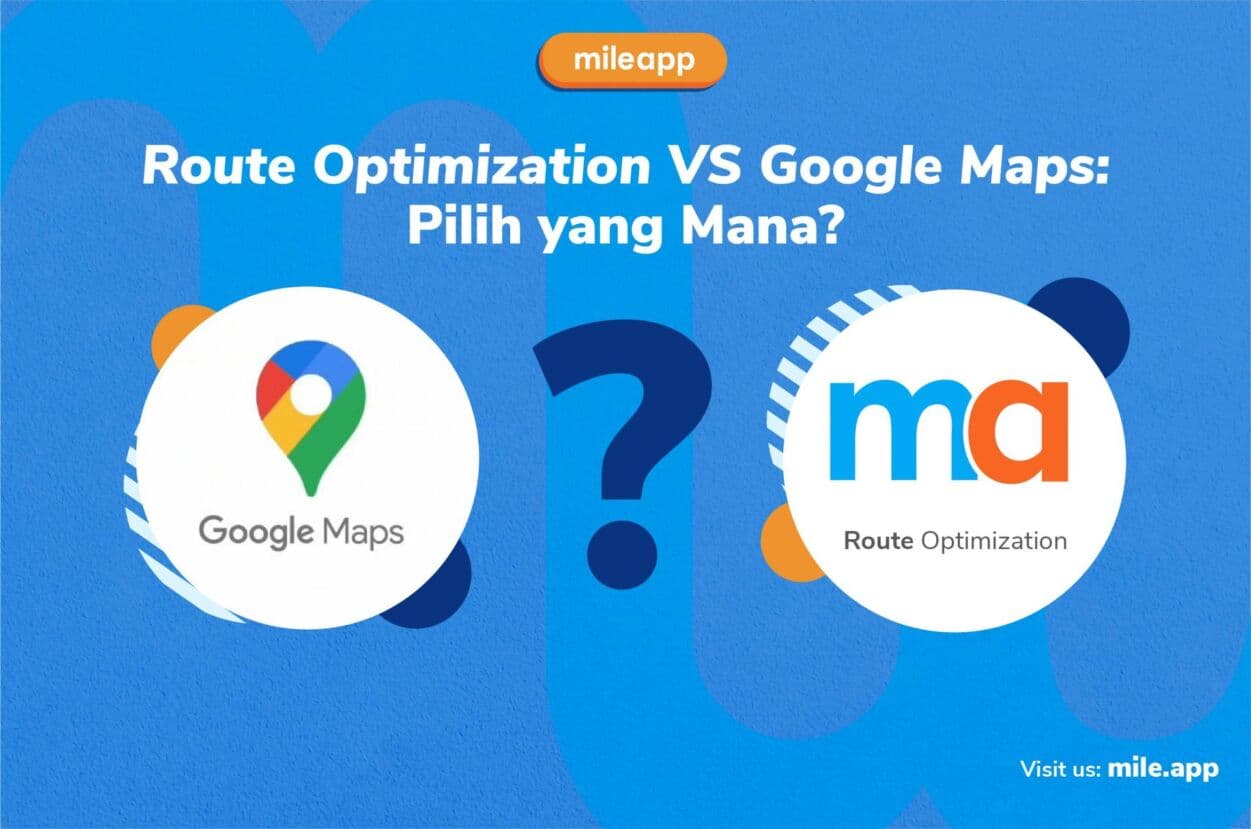
Route optimization is the process of finding the most cost-effective routes for multiple trips at the same time. So when people compare route optimization vs Google Maps, the first question is usually: “Isn’t that the same thing Google Maps already does?”
It is one of the most common misconceptions in delivery operations. Many teams still assume route optimization and Google Maps are interchangeable, but the two tools are built for different jobs and different priorities.
This article explains how they differ and which one fits your business better: route optimization software or Google Maps?
Route Optimization vs Google Maps: When Is Google Maps Enough?
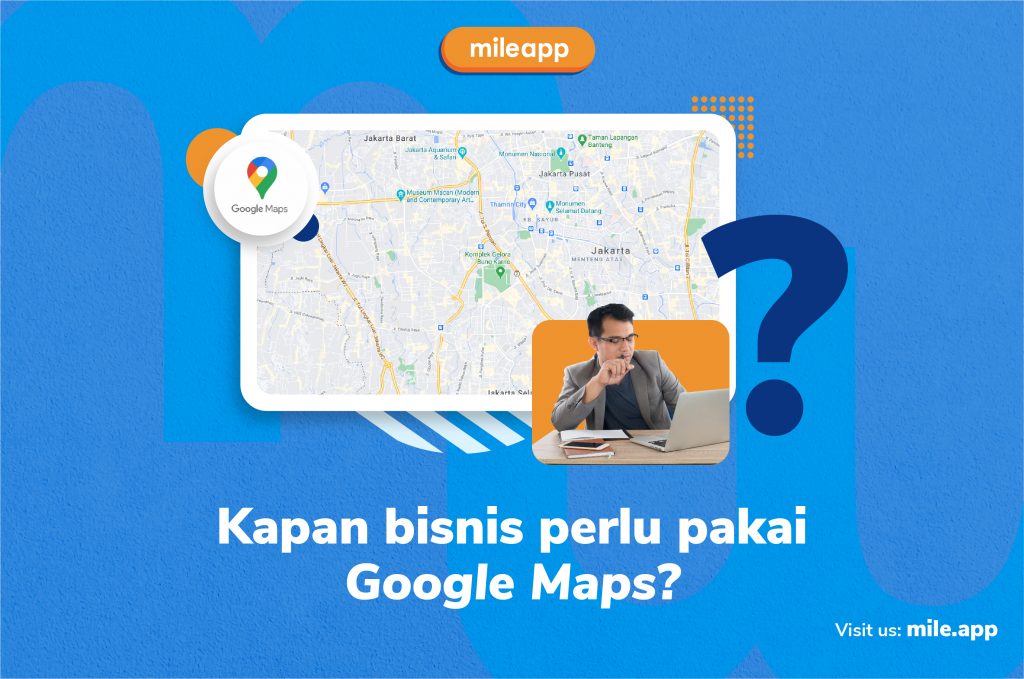
In short, you use Google Maps to answer one question: “What is the best way to get from A to B?”
Google takes the two addresses you enter, geocodes them, and places two markers on the map. It then evaluates every possible road segment between those two points.
Each segment is scored on factors such as shortest distance, the length of connecting roads, and current traffic conditions. Google then recommends the route with the highest score, along with a few alternatives.
Google Maps does more than give you a good path from A to B. It also gives you an accurate estimated time of arrival (ETA).
So if you are looking for the shortest path between two stops, Google Maps is almost certainly the right route planner. But once you plan a full route with more than two stops, you are no longer talking about A to B. You are talking about A to B to C to D and so on, until every stop on the route is covered.
The more stops you add to a route plan, the less suitable Google Maps becomes.
Google Maps is often mistaken for a route optimization tool. The difference is this: Google Maps can find the shortest path between stops, but it was never designed to find the most efficient sequence of stops on your route.
When Should a Business Use Route Optimization Software?
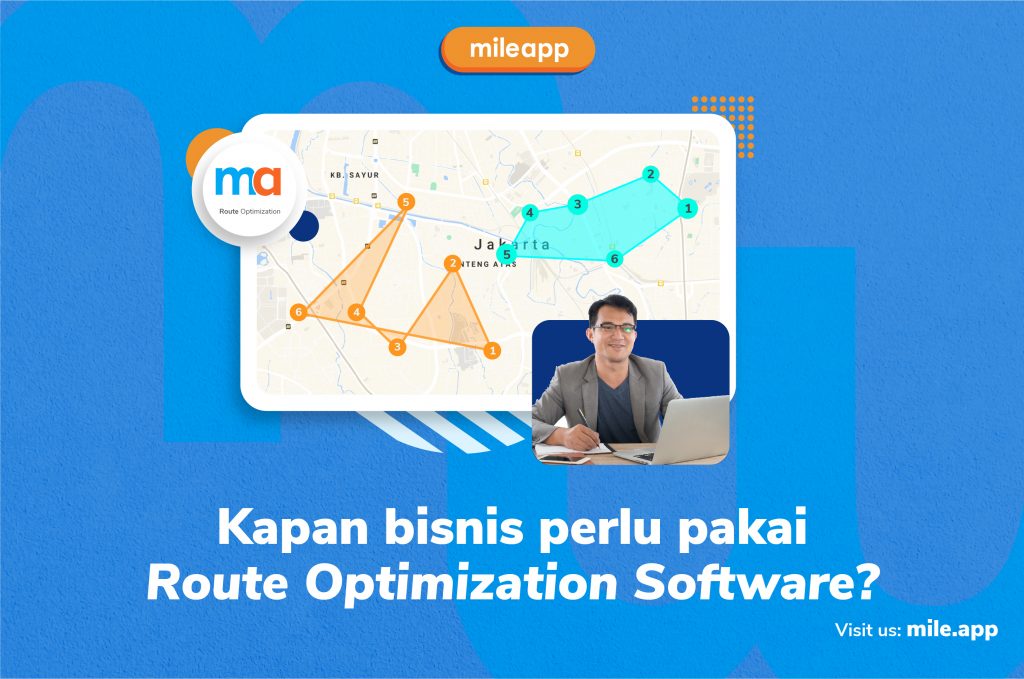
If you have more than a handful of delivery stops, you need a way to find the optimal stop sequence, with all of its complexity, so your routes stay efficient. Why does route efficiency matter so much? Because route costs repeat every single day, and they have one of the biggest impacts on your profitability. That is also why route planning is a core part of any transportation management system.
Once you go beyond 5 addresses, planning efficient routes by hand with Google Maps quickly becomes complicated and prone to human error, especially when you need to account for how and when goods must be delivered. It is not unusual for delivery teams in busy cities like Manila, Jakarta, or Kuala Lumpur to spend hours in Google Maps just to build a single route plan.
If you face any of the following 4 problems, a route optimization tool is strongly recommended:
- You have routing rules and limits (routing constraints) – You work with conditions that shape every delivery, such as customer time windows, driver breaks and rest periods, vehicle load capacity, and many other requirements.
- You need to optimize the order of stops – Google Maps leaves stop sequencing to the user. The number of stops you can add is limited (around 10), and adding more requires a paid upgrade. On top of that, you have to do it manually: looking at the map and dragging addresses into the best order you can come up with for each driver.
- You need to build many routes for many vehicles of different types – When you split one address list across two or more vehicles, you also have to decide which driver should handle which delivery order. This is where the constraints above become far more complex, and where a fleet management system and route planner need to work together.
- You need to manage the rest of your delivery operation – A delivery business has more to think about than the optimal route. Tracking driver locations, checking whether drivers stick to their routes, making sure they hit the ETA promised to customers, collecting proof of delivery, and knowing when problems happen are all essential parts of running delivery routes effectively.
What Are the Advantages of Route Optimization Software?
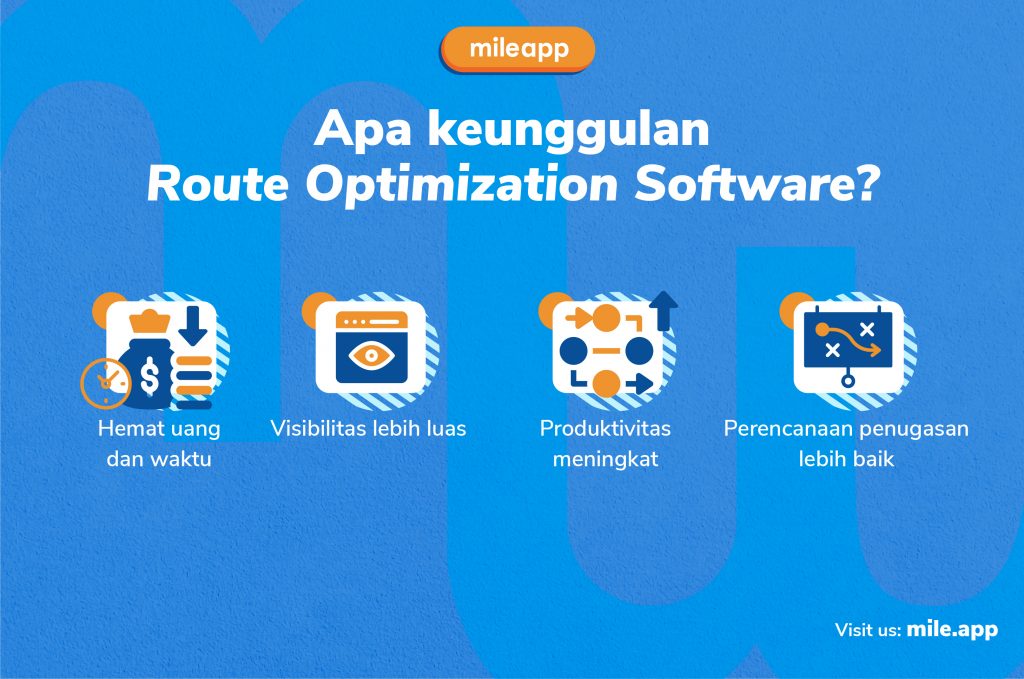
MileApp Route Optimization is designed to make day-to-day logistics more efficient. Here are its main advantages:
- Save money and time
Route optimization can cut route planning time down to minutes. This is one of the fastest wins for businesses that still plan routes manually or semi-manually, and time saved translates directly into cost saved.
- Better visibility
With route optimization, you get a clearer view of your whole operation. You can see courier positions, parcel status, delivery times, and other data in one place, especially when it is paired with real-time tracking.
- Higher productivity
The time saved by route optimization can be used to handle more orders and on-demand deliveries. Drivers also perform better because they can focus on driving instead of navigating.
- Smarter task assignment
Route optimization helps you distribute tasks automatically, removing tiring manual work. It can recommend the most suitable vehicle based on traffic, shipment size, volume, vehicle type, stop duration, delivery time, and more. The result is a smoother logistics process from the warehouse to the last mile.
MileApp is a logistics platform with solutions that simplify daily operations, including route optimization, a real-time dashboard, and e-POD. Book a free demo to see how it fits your delivery routes.
Recent Posts