What Is a Sales Tracking System (STS) and How Does It Work?

In a competitive market, companies need to manage sales efficiently and effectively to succeed. One tool that helps is a sales tracking system (STS). So what exactly is a sales tracking system, and how does it work? Here is a practical overview.

What Is a Sales Tracking System (STS)?
A sales tracking system (STS) is software designed to help companies manage and track the entire sales process. It lets companies automate many sales activities, collect sales data in real time, and produce in-depth reports and analysis. With an STS, companies can monitor and manage the full sales cycle more efficiently, raise productivity, and improve customer satisfaction. If you are comparing tools, see our roundup of sales tracking apps.
Read also: What Is a Transportation Management System? Components & Benefits
How a Sales Tracking System (STS) Works
A sales tracking system works by bringing various sales functions and processes together on one centralized platform. According to pipedrive.com, here are the steps in how an STS works:
1. Receiving orders
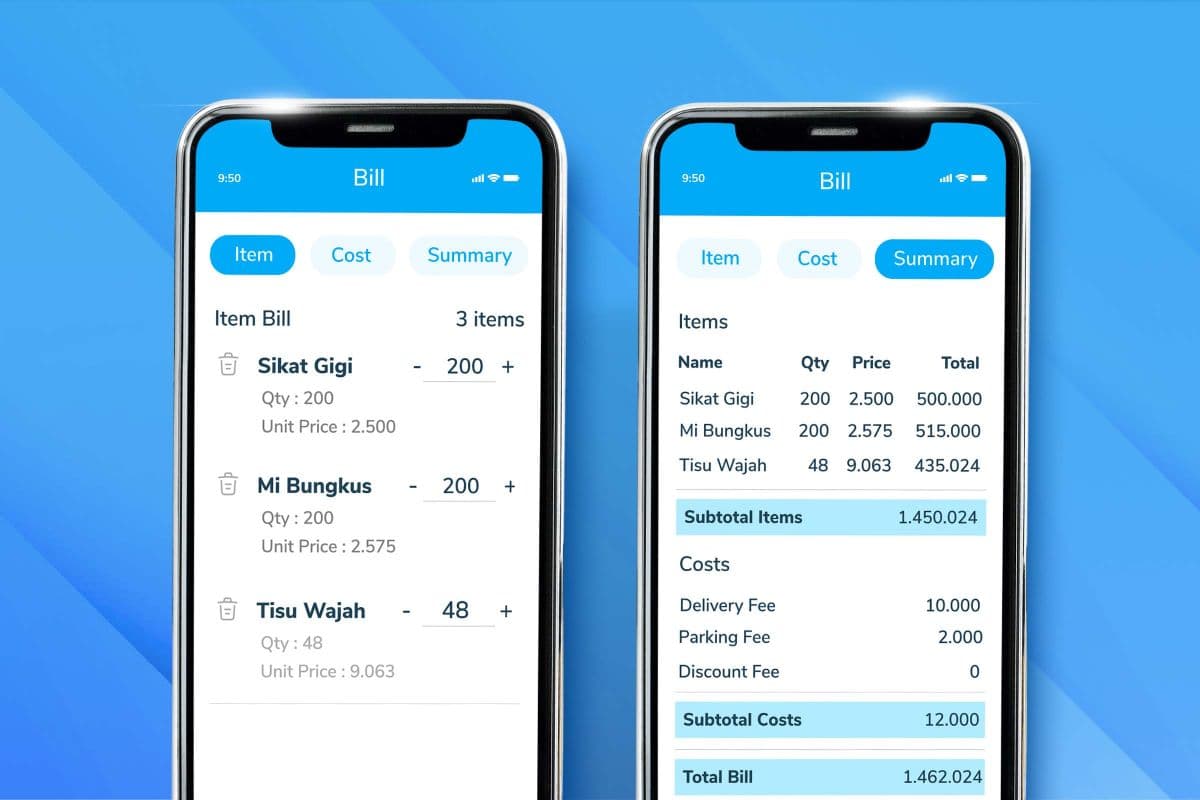
The process starts when a customer places an order through any channel, such as phone, email, or the company website. The system automatically records and stores the order in a centralized database to avoid manual errors and make sure no order is missed. For field teams, this is where the order taker captures orders directly at the outlet.
2. Storing product information
The system can also store complete, detailed product information, including product descriptions, prices, and active promotions. When sales reps interact with customers, they can access this information easily to explain products thoroughly and offer relevant promotions.
3. Recording and entering orders
Sales teams can use the sales tracking system to record customer orders in real time. The order data flows into the system, where production and logistics teams can access it to prepare and ship the order. This shortens order processing time and minimizes data entry errors. Learn more in our guide to the order taking process.
4. Scheduling and managing deliveries
The system can also help logistics teams plan delivery routes, confirm stock availability, and minimize customer waiting time. It also sends customers automatic notifications on delivery status and estimated arrival time.
5. Sales reporting and analysis
One of the most important features of a sales tracking system is its ability to deliver in-depth sales reports and analysis, so management can access sales data in real time, review sales performance, and analyze sales trends. This data can then be used to identify new business opportunities, evaluate the effectiveness of sales strategies, and make better business decisions.
Read also: What Is Sales Force Automation (SFA)? Features and Benefits
Those are the essentials of a sales tracking system (STS). By automating sales activities, collecting sales data in real time, and delivering in-depth reports and analysis, companies can raise sales team productivity, serve customers better, and make better-informed business decisions. Alongside an STS, you can also make your delivery operations more effective with MileApp’s route optimization, and give canvassing sales teams the same real-time visibility. Book a free demo to see it in action.
Sources:
Recent Posts